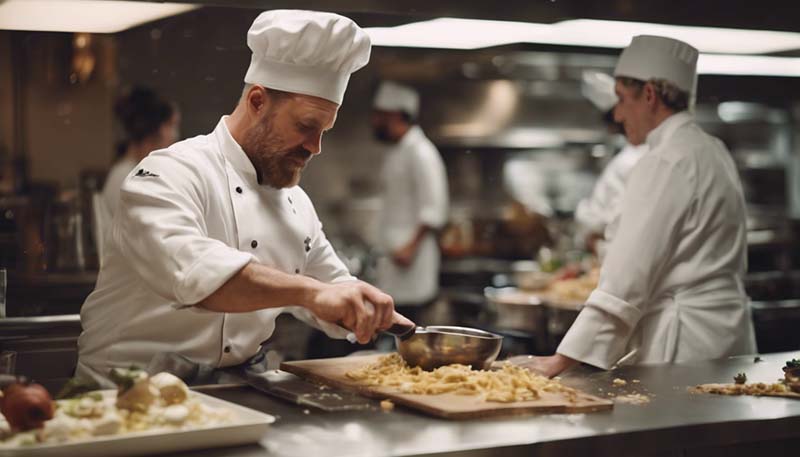
Let's be honest. Most easy homemade pizza recipes promise the world and deliver a soggy, flavorless disc that makes you wish you'd just ordered in. I've been there. After years of trial, error, and more than a few pizza stones launched into the back of the cupboard in frustration, I cracked the code. The secret isn't a magical ingredient or expensive gear. It's about understanding a few non-negotiable steps that most recipes gloss over. This guide will give you a crispy, bubbly, restaurant-quality pizza at home, on a weeknight, with ingredients you probably already have.
Your Pizza-Making Roadmap
Why This Homemade Pizza Beats Takeout Every TimeHow to Make Easy Homemade Pizza Dough (No Fancy Tools)Simple Sauce & Smart Toppings: Less is MoreThe Final Act: Assembling and Baking Your MasterpieceYour Pizza Problems, SolvedWhy This Homemade Pizza Beats Takeout Every Time
Cost is the obvious one. A decent delivery pizza can set you back $25. The flour, yeast, cheese, and tomatoes for two large pizzas? Maybe $8. But the real win is control. You choose the quality of the cheese. You can load up on veggies without an extra "premium topping" charge. You can make it exactly how you like it, which is something no app can offer.The biggest misconception is that good pizza needs days of fermentation. For a quick, weeknight-friendly version, a one-hour rise is plenty if you handle the dough right. The goal here is reliability, not Neapolitan certification.
How to Make Easy Homemade Pizza Dough (No Fancy Tools)
This is where most recipes fail you. They give you cups of flour and hope for the best. Flour hydration varies wildly. We're going by weight for consistency, but I'll give you volume measures with a crucial warning.
The Ingredients & The One Critical Ratio
For two 12-inch pizzas:
Bread Flour (500g / about 4 cups): All-purpose works, but bread flour's higher protein content (12-13%) is your ticket to a chewy, structured crust that can hold toppings. King Arthur is a reliable brand. If you only have AP flour, the crust will be slightly more tender and less chewy.Water (325g / 1 ⅓ cups, warm): Not hot. Think baby-bottle warm (105-110°F). Hot water kills yeast.Active Dry Yeast (7g / 2 ¼ tsp): One standard packet.Salt (10g / 2 tsp): Do not forget this. It controls yeast activity and builds flavor.Olive Oil (15g / 1 tbsp): Adds tenderness and a hint of flavor.The water-to-flour ratio here is 65%. That's the sweet spot for a dough that's easy to handle but bakes up with an open crumb.
Here's the mistake everyone makes: they add all the flour at once. Don't. Start by mixing the water, yeast, and oil. Add about 80% of the flour and the salt. Mix until a shaggy mess forms. Now, add the remaining flour a handful at a time until the dough just pulls away from the bowl. It should be slightly tacky, not dry. This prevents a dense, over-floured brick.
The 10-Minute Knead (or Lack Thereof)
You don't need to knead for 10 minutes. Mix until no dry flour remains, then let it rest for 10 minutes. This autolyse period lets the flour hydrate fully. After the rest, just fold the dough over itself a few times in the bowl—that's enough to develop the gluten for our purposes. Shape into a ball.
The Rise: Patience vs. Practicality
Place the dough ball in a lightly oiled bowl, cover with a damp towel or plastic wrap, and let it rise in a warm spot for 1 hour, or until about doubled. If your kitchen is cold, place the bowl in an off oven with the light on. That's it. No overnight fuss.
Simple Sauce & Smart Toppings: Less is More
Your dough is rising. Now for the fun part.
The 5-Minute No-Cook Sauce
Grab a can of whole peeled San Marzano tomatoes if you can find them. Their flavor is brighter and less acidic. Crush them by hand in a bowl. Add a glug of good olive oil, a pinch of salt, and maybe one small minced garlic clove. That's it. No cooking. Cooking the sauce concentrates the flavor, which is great, but for a quick pizza, the fresh, bright taste of uncooked tomatoes paired with the heat of the oven is perfect. A common error is making the sauce too wet. Drain the crushed tomatoes in a sieve for a minute if they seem watery.
Toppings Strategy: The Weight Problem
This is the second biggest pitfall after dough. People treat pizza like a salad bar.
| Ingredient | Common Mistake | Pro Fix |
|---|
| Cheese | Using pre-shredded bagged cheese. | It's coated with anti-caking agents (like cellulose) that prevent proper melting. Buy a block of low-moisture, whole-milk mozzarella and shred it yourself. The difference in melt and stretch is night and day. |
| Vegetables | Throwing raw, wet veggies (mushrooms, peppers, zucchini) on top. | They release steam and make the center soggy. Sauté them briefly in a pan to drive off excess moisture first. |
| Meats | Using raw sausage or bacon. | They won't cook through in the short bake time. Pre-cook sausage until browned and pre-crisp bacon. |
| Quantity | Piling on too much of everything. | Think of the dough as the star. A light layer of sauce, a modest amount of cheese, and 2-3 toppings max. Overloading is a guarantee of a soggy, undercooked center. |
The Final Act: Assembling and Baking Your Masterpiece
Preheat your oven to its absolute maximum temperature, 500-550°F (260-290°C), for at least 45 minutes. If you have a pizza stone or steel, put it on a middle rack during preheat. A heavy, inverted baking sheet works in a pinch. The goal is a super-hot cooking surface.
Shaping the Dough (No Tossing Required)
Divide your risen dough in two. On a lightly floured surface, press one ball into a disc. Using your fingertips, press from the center outwards, leaving a thicker border for the crust. Pick it up and gently stretch it over your knuckles, letting gravity do the work. Don't roll it with a pin—that pushes out all the gas and makes the crust tough. If it tears, just patch it. It's homemade, not perfect.
The Assembly Line
Have everything ready: sauce, cheese, toppings. Get a piece of parchment paper roughly the size of your pizza. Place your stretched dough on it. This is your "launching peel"—it makes transferring to the hot stone foolproof.
Spread a thin, even layer of sauce, leaving a ½-inch border.Sprinkle your shredded cheese evenly.Artfully arrange your prepped toppings.Drizzle a tiny bit of olive oil over the top.The Bake
Slide the pizza (on the parchment) directly onto the hot stone or baking sheet. Bake for 8-12 minutes. You're looking for a deeply browned, bubbly crust and melted, spotted cheese. Don't open the oven door for the first 6 minutes. Let the heat work.Pull it out, let it cool on a rack for 2 minutes (this prevents the steam from softening the crust), slice, and devour.
Your Pizza Problems, Solved
My homemade pizza always comes out soggy in the middle. What am I doing wrong?This is almost always a combination of three things: too much sauce, wet toppings, and an under-heated oven. Use a spoon to spread the sauce thinly—you should see the dough peeking through in spots. Always pre-cook vegetables like mushrooms and spinach. And crucially, make sure your oven and baking surface have preheated for a full 45 minutes. A cold pan or stone steams the dough instead of crisping it.Can I make the dough ahead of time for an easy weeknight pizza?Absolutely. After the first rise, punch the dough down, shape it into a ball, place it in a lightly oiled container, and refrigerate it for up to 3 days. The cold fermentation actually develops more flavor. When you're ready, take it out and let it sit at room temperature for about an hour before stretching. You can also freeze the dough ball for a month; thaw overnight in the fridge.My cheese burns before the crust is done. How do I fix this?This usually means your oven is too hot at the top or you're using a cheese that's too lean. Stick with whole-milk, low-moisture mozzarella—it has a higher burn point. You can also try placing your pizza stone on a lower rack, or in the last minute of baking, move the pizza to a higher rack to finish the crust if needed. A little char on the cheese is good, but if it's consistently burning, lower your oven temperature by 25°F.I don't have a pizza stone. What's the best alternative for a crispy crust?A heavy, rimless baking sheet or the back of a cast-iron skillet preheated in the oven works. The key is mass and preheating. For a unique trick, bake the pizza directly on the oven rack for the first 5 minutes, then slide a preheated sheet underneath to finish. This gives intense bottom heat. Just be confident with your transfer using parchment paper as a sling.How do I store and reheat leftover homemade pizza?The worst thing you can do is microwave it. It turns the crust rubbery. For one or two slices, reheat in a dry, non-stick skillet over medium-low heat with a lid for 3-4 minutes. The skillet crisps the bottom, the lid steams the top to melt the cheese again. For more, use a 375°F oven on a wire rack for about 8 minutes. It won't be "fresh" fresh, but it'll be miles better than soggy microwave pizza.