The Role of Terroir in Wine Production
Explore the unique influence of terroir on the distinct flavors and qualities of wines from around the world.
Introduction to Terroir
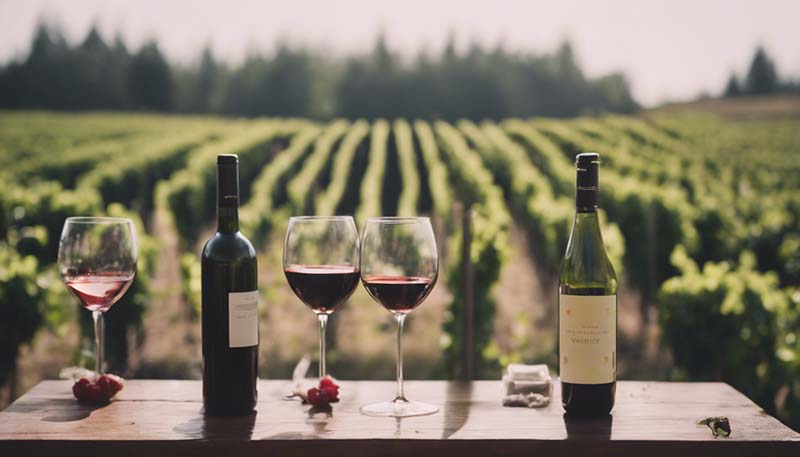
Terroir is a French term that refers to the specific environmental conditions, including soil, climate, and topography, in which a particular crop is grown. In the context of wine production, terroir encompasses a complex set of factors that contribute to the unique characteristics of a wine. The concept is deeply rooted in the Old World wine regions, where the idea that the land from which the grapes are grown has a profound effect on the taste of the wine is widely accepted.
This article delves into the various components of terroir and how they influence wine production, the role of terroir in defining wine regions, and the debate surrounding the concept in the modern wine industry.
Key Factors of Terroir
Soil Composition: The type of soil in which the vines grow can affect the minerality and structure of the wine. Different grape varieties thrive in different soil types, which can range from clay and limestone to sand and gravel.
Climate: The climate of a region, including temperature, precipitation, and sunlight exposure, plays a significant role in determining the ripeness and sugar content of the grapes, which in turn affects the wine's flavor profile.
Topography: The physical features of the land, such as elevation, slope, and aspect, can influence the microclimate and drainage of a vineyard, which can lead to variations in wine quality and style even within the same region.