What's Inside
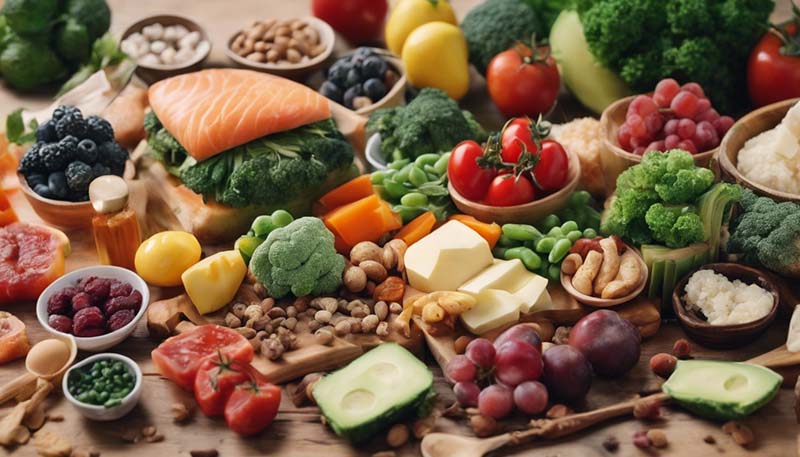
1. Blueberries: The Antioxidant Powerhouse2. Kale: The Nutrient-Dense Green3. Salmon: The Omega-3 Champion4. Chia Seeds: Small but Mighty5. Quinoa: The Complete Protein6. Broccoli: The Cruciferous Crusader7. Avocado: The Healthy Fat8. Walnuts: The Brain Food9. Turmeric: The Golden Spice10. Greek Yogurt: The Probiotic PowerFrequently Asked QuestionsI've spent years obsessing over nutrition, reading studies, and testing every so-called superfood that hit the market. After all that, I've narrowed it down to just 10 that truly earn the title. They're not exotic or expensive—most you can find at your local grocery store. But here's the thing: it's not just about eating them occasionally. It's about knowing how to eat them right to unlock their full potential. Let's dive in.
1. Blueberries: The Antioxidant Powerhouse
I start most mornings with a handful of blueberries, and I'm not just saying that because they're pretty. These little gems are packed with anthocyanins, the compounds that give them their deep blue color and act as powerful antioxidants. Antioxidants help fight oxidative stress, which is linked to aging and chronic disease.But here's a tip most people don't know: buy frozen ones if fresh are out of season. Frozen blueberries are often picked at peak ripeness and retain nutrients just as well as fresh. I've done taste tests—frozen blueberries actually taste sweeter because they're harvested when fully ripe. Just thaw them slightly and add to your yogurt or oatmeal.One thing I've noticed: the tiny wild blueberries really do taste different. They're more intense, like a burst of jelly. If you spot them at a farmer's market, grab them. They might be pricier, but the flavor is worth the splurge.
2. Kale: The Nutrient-Dense Green
I used to hate kale. It was tough and bitter, and I couldn't understand the hype. Then I learned the secret: massaging it. Yes, literally kneading the leaves with a little olive oil and lemon juice breaks down the cellulose, making it tender and sweet. It turns this crunchy green into a silky base for salads.Kale is loaded with vitamins A, C, and K, plus calcium and manganese. But here's the catch—if you don't massage it or cook it well, your body can't absorb all those nutrients as easily. I learned this the hard way after chewing through a tough raw salad. Now I always massage or lightly steam it.A quick warning: kale can be bitter if it's old. Look for leaves that are deep green and crisp, not yellowing. I've found that younger, smaller leaves are milder. Also, the stems are fibrous—I save them for juice instead of forcing myself to chew through them.
3. Salmon: The Omega-3 Champion
Salmon is the only food on this list that I consider a 'non-negotiable.' I eat it at least twice a week, usually baked with a simple lemon and herb crust. It's the best dietary source of long-chain omega-3 fatty acids (EPA and DHA), which are crucial for brain health and reducing inflammation.Now, here's the controversial part: farmed vs. wild. I used to buy whatever was on sale, but after researching, I've switched to wild-caught. Not just for the omega-3 content (which is actually similar), but because wild salmon has fewer contaminants and a better fat profile. Taste-wise, wild is also nicer—it's not as fatty and has a firmer texture. Yes, it's more expensive, but I'd rather eat it half as often than settle for lesser quality.One mistake I see people make: overcooking. Salmon goes from succulent to dry in minutes. I use a meat thermometer and pull it out at 120-125°F. It keeps that buttery center. Also, the skin crisps up beautifully if you sear it first—don't peel it off and waste it.
4. Chia Seeds: Small but Mighty
I keep a jar of chia seeds on my counter and sprinkle them into almost everything: smoothies, oatmeal, even water. What makes them a superfood is their incredible fiber content—about 10 grams per 2 tablespoons. They also pack omega-3s, protein, and minerals like magnesium and calcium.The real magic happens when they meet liquid. Chia seeds absorb water and turn into a gel, which helps you feel fuller for longer. I've made chia pudding countless times: mix with almond milk, a drop of vanilla, and let it sit overnight. In the morning, you've got a thick, custard-like breakfast.Important tip: always stir them into liquid right away. If you sprinkle them on top of a drink and forget, they clump into nasty lumps. I've made that mistake—it's like drinking chewing gum. Also, if you have a sensitive throat, soak them for at least 15 minutes before eating. Chia gel is incredibly smooth, but dry seeds can be a choking hazard for some.
5. Quinoa: The Complete Protein
Quinoa earned its superfood status because it's one of the few plant foods that contain all nine essential amino acids. That makes it a complete protein, ideal for vegetarians and vegans. I use it as a rice substitute in stir-fries, or cold in salads for a protein boost.But if you've ever tried quinoa and thought 'this tastes bitter'—you've skipped the most crucial step: rinsing. Quinoa seeds are coated with saponins, naturally bitter compounds that protect the plant. Rinse them under cold water for at least 30 seconds before cooking. I learned to do this after my first quinoa dish tasted like soap.Another mistake: using too much water. For every cup of quinoa, you need 1.75 cups of water or broth. I've seen recipes say 2 cups, but that makes it mushy. Here's my method: bring broth to a boil, add rinsed quinoa, simmer covered for exactly 15 minutes, then turn off the heat and let it steam for 5. It comes out perfect every time—fluffy and nutty.
6. Broccoli: The Cruciferous Crusader
Broccoli is a regular on my dinner plate because it's cheap, easy, and packed with vitamin C, vitamin K, and a compound called sulforaphane. Sulforaphane has been studied for its anti-cancer properties, but there's a catch—it's produced when broccoli is chewed or cut, and the enzyme needed for this is destroyed by heat. So the way you cook broccoli matters.
Steaming is the sweet spot. I steam for about 5 minutes—tender but still crisp. Boiling and microwaving can leach nutrients and destroy the beneficial enzymes. Frying at high heat also wrecks them. I discovered this after reading a study that showed boiling loses about 50% of vitamin C. If you must boil, use the water in a soup to save some of what leaches out.A weird personal preference: I actually love broccoli stems. Most people throw them away, but if you peel the tough outer layer, they're sweet and juicy. I slice them into discs and toss them into the steamer too. Don't waste food that's good for you.
7. Avocado: The Healthy Fat
Avocado is my go-to for a quick creamy addition to anything—toast, salads, even blended into chocolate desserts. It's rich in monounsaturated fats, which support heart health, plus potassium, fiber, and folate. But it's also calorie-dense, so I stick to half a fruit at a time.Here's a trick I learned from a chef: only buy avocados that yield slightly to gentle pressure. Rock-hard ones are picked too early and never ripen properly, while overly soft ones are bruised inside. If you see dark spots, skip them. And that little stem at the top—if you pop it off and the flesh underneath is green, it's perfect; if it's brown, it's past its prime.A common misunderstanding: 'avocado is the best healthy fat, so I can eat as much as I want.' No, it's still a food with calories. I've eaten a whole avocado and felt sluggish. Balance is key. Also, if you're watching your vitamin K intake because of blood thinners, talk to your doctor—avocado is high in it.
8. Walnuts: The Brain Food
Walnuts look like little brains, and as it turns out, they're pretty good for yours. They contain alpha-linolenic acid (ALA), a plant-based omega-3, along with polyphenols and vitamin E. I snack on a handful of raw walnuts daily—usually about 7 whole halves.One thing I've noticed: the skin can taste bitter, which turns some people off. Toasting them lightly in a dry pan brings out sweetness and reduces bitterness. But be careful—walnuts burn fast. I toast them on medium heat for 3-4 minutes, shaking constantly, and that's enough.Here's an insider tip: store walnuts in the fridge. They're high in polyunsaturated fats, which can go rancid quickly at room temperature, especially in summer. I keep mine in an airtight glass jar in the fridge and they stay fresh for months. The first time I left them on the counter, after a week they got a weird paint-like smell. That's oxidation—not good to eat.
9. Turmeric: The Golden Spice
Turmeric is bright yellow and stains everything—my hands, my counter, my clothes. But that orange pigment, curcumin, is what makes it a superstar. Curcumin is a potent anti-inflammatory, but here's the kicker: your body absorbs it poorly unless you pair it with black pepper. The piperine in black pepper boosts curcumin absorption by up to 2000%.I make 'golden milk' almost every night: simmer almond milk with a teaspoon of turmeric, a pinch of black pepper, and a dash of cinnamon. It's calming and helps with post-workout recovery. But I've learned to stir constantly—turmeric loves to clump at the bottom.Another thing: don't rely on turmeric supplements alone without consulting a healthcare provider. High doses can interfere with blood thinners. Also, not all turmeric powders are created equal. Look for one with at least 3% curcuminoid content. I usually read the label—cheap brands often have less than 1%.
10. Greek Yogurt: The Probiotic Power
Greek yogurt changed my breakfast game. It's thicker, creamier, and packed with probiotics—good bacteria that support gut health. It also has nearly twice the protein of regular yogurt. But the market is full of misleading labels. I've seen 'Greek style' yogurts that are just regular yogurt with thickeners. Check the ingredients: it should be just milk and live active cultures.For the best benefits, choose plain, unsweetened Greek yogurt. I know, it's tart. But I add a drizzle of honey and berries, and it becomes delicious without all the added sugar. The flavored ones often have more sugar than ice cream.One mistake I see: eating it straight out of the tub when you're hungry. The protein bumps your blood sugar slowly, but if you're really hungry, you might overeat. I've done that—finished a whole cup in one sitting. Now I portion out 3/4 cup into a bowl and add some crunch from walnuts. Satisfying and balanced.
Frequently Asked Questions
I'm not a breakfast person. How can I sneak these superfoods into my first meal?Try blending a handful of spinach or kale into a smoothie with Greek yogurt and berries. You won't taste the greens, and you'll get a nutrient boost without extra cooking time. For something warm, stir a spoonful of chia seeds into your morning oats—they'll soak up the liquid and thicken it up.Are organic superfoods worth the extra cost?For berries and leafy greens, I'd say yes because they're on the Environmental Working Group's Dirty Dozen list. But for thick-skinned produce like avocado, organic is less critical. Prioritize organic for thin-skinned ones. As for salmon, wild-caught is more about sustainability than pesticide avoidance, so get that if your budget allows.Can I take supplements instead of eating these foods?No, whole foods have a complex matrix of nutrients and fiber that supplements can't replicate. I've tried supplements, and they didn't give me the same energy or digestion benefits. For example, curcumin supplements are effective, but they're still not as good as eating turmeric in your food because the whole spice is more bioavailable due to other compounds. Same for blueberries—isolated anthocyanin pills don't have the fiber that helps your gut.