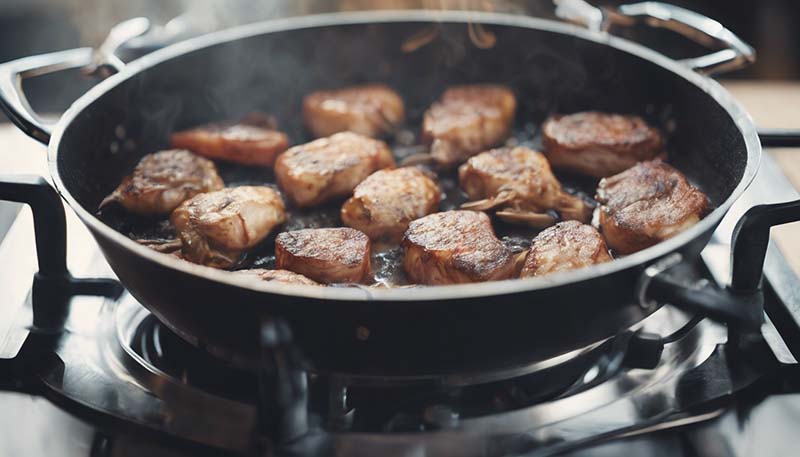
You're tired. Really tired. That afternoon slump feels like a concrete blanket. You might wonder if it's just busy life, or if something's missing. Often, that something is iron. Asking "what food is highest in iron?" is the right first step, but here's the catch most lists don't tell you: the iron content on a label is only half the story. Your body's ability to absorb it is the other, more critical half. I learned this the hard way after months of eating spinach salads with little change in my energy. Let's cut through the noise and look at what truly works, based on bioavailability—how much iron your body can actually use—not just milligrams on paper.
What’s Inside This Guide?
The Absorption Game-Changer: Heme vs. Non-Heme
This is the single most important concept. Heme iron, found in animal flesh (meat, poultry, seafood), is absorbed at a rate of 15-35%. Your body grabs it easily. Non-heme iron, from plants and fortified foods, has an absorption rate of 2-20%. It's fussier, heavily influenced by what you eat with it.
That's why a 3-ounce serving of oysters (8 mg of heme iron) is a far more efficient delivery system than a cup of cooked spinach (6.4 mg of non-heme iron). The spinach number looks good on paper, but you might absorb less than 1 mg from it. This doesn't mean plants are useless—far from it. It means you need to be strategic.
Top Animal-Based Iron Champions
These are your most efficient sources. The table below isn't just a list; it's a practical comparison based on standard serving sizes and bioavailability.
| Food | Serving | Iron (mg) | Type & Notes |
|---|---|---|---|
| Cooked Oysters | 3 ounces (85g) | 8 mg | Heme iron. The undisputed champion. Also packed with zinc. Pacific oysters tend to have the highest content. |
| Beef Liver | 3 ounces (85g) | 5.2 mg | Heme iron. Incredibly nutrient-dense. The taste can be strong; try pan-fried with onions or blended into pâté. |
| Venison or Bison | 3 ounces (85g) | 3.5 - 4 mg | Heme iron. Often leaner than beef with a robust flavor. A great alternative if you find beef liver too intense. |
| Canned Sardines | 3.75 oz can (drained) | 2.9 mg | Heme iron. Budget-friendly, shelf-stable, and full of omega-3s and calcium (from the bones). Mash onto toast. |
| Dark Turkey Meat | 3 ounces (85g) | 2 mg | Heme iron. The thigh and leg have significantly more iron than white breast meat. Roast a whole leg for easy meals. |
I used to avoid liver completely. Then I tried a locally-sourced chicken liver pâté at a farmer's market. The texture was smooth, the flavor rich and earthy, not metallic. It changed my perspective. Starting with milder chicken or duck liver can be a gentler introduction than beef liver.
Plant-Based Iron Powerhouses
For vegetarians, vegans, or those just cutting back on meat, this is your playbook. The goal here is to boost the low absorption rate of non-heme iron through clever pairing.
Legumes & Lentils: The Versatile Foundation
Cooked lentils provide about 6.6 mg per cup. White beans and chickpeas are close behind. They're also high in fiber and protein. The trick? They contain phytates, which can inhibit iron absorption. Soaking and cooking them reduces phytates. Pairing them with a vitamin C source is non-negotiable. Think: lentil soup with a squeeze of lemon, or a chickpea salad with raw bell peppers and tomatoes.
Pumpkin Seeds & Tofu: The Underrated Stars
A quarter-cup of pumpkin seeds gives you around 2.5 mg of iron. I keep a jar roasted with a little sea salt for snacking or sprinkling on oatmeal. Firm tofu, especially if prepared with calcium sulfate (check the label), offers about 3.4 mg per half-cup. Scramble it with turmeric and black pepper (which may enhance absorption), and serve with steamed broccoli (vitamin C).
Dark Leafy Greens: Beyond Spinach
Yes, spinach (6.4 mg/cup cooked) is good, but Swiss chard and beet greens are comparable. The oxalates in spinach bind to iron. Cooking helps break some of this down. My method: sauté spinach or chard with garlic and finish with a generous splash of lemon juice or vinegar. The acid helps convert the iron into a more absorbable form.
Cooking Tips To Maximize Iron Uptake
How you cook matters as much as what you cook.
Use Cast Iron. This is an old, proven trick. Cooking acidic foods like tomato sauce, chili, or apple sauce in a well-seasoned cast iron skillet can leach significant amounts of non-heme iron into the food. A study cited by researchers at the University of California, Davis found this can increase iron content dramatically.
Time Your Tea and Coffee. The tannins are potent iron inhibitors. Having your morning coffee or afternoon tea at least one hour before or after an iron-rich meal can make a tangible difference. I switched my post-lunch green tea to mid-morning, and it felt like a simple hack with no downside.
The Vitamin C Partner. Make this a habit. Add raw bell peppers to your bean salad. Squeeze lemon over your cooked greens. Have a small orange with your fortified cereal. Vitamin C can increase non-heme iron absorption by four to six times.
Common Mistakes That Block Iron
I see these all the time, even in otherwise healthy diets.
- Relying Solely on Spinach Salads. A big bowl of raw spinach with a creamy dressing is a low-absorption iron trap. The iron is non-heme, the oxalates are high, and there's no vitamin C to help.
- Taking Calcium Supplements with Meals. Calcium competes with iron for absorption. If you take a calcium supplement, do it at a separate meal, like breakfast if your main iron meal is dinner.
- Overdoing the Bran. While high in iron, wheat bran is also extremely high in phytates. Don't assume a high-fiber bran cereal is a great iron source—the phytates likely block most of it.
Your Iron Food Questions Answered
Finding what food is highest in iron is a search for efficiency. It's about choosing oysters over clams, dark turkey meat over white, and learning to pair lentils with lemon. It's practical knowledge—using the right pan, timing your beverages, and avoiding common traps. Start with one change. Maybe it's adding pumpkin seeds to your diet or finally trying that cast iron skillet. Listen to your body. That persistent fog lifting after a few weeks of mindful eating is the best confirmation you're on the right track.