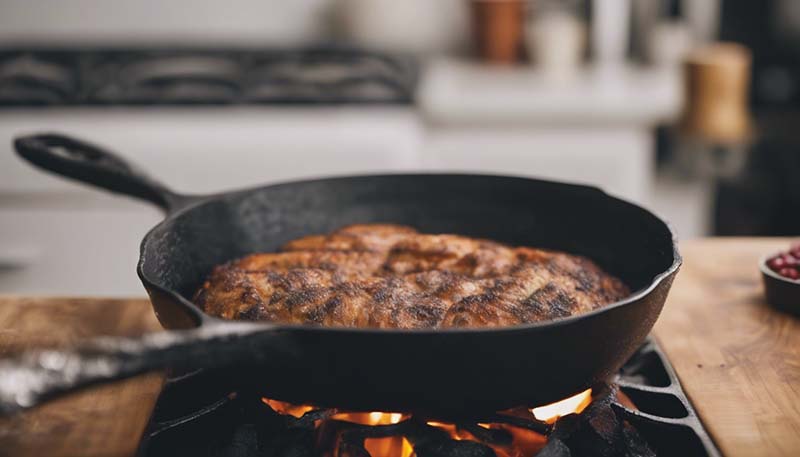
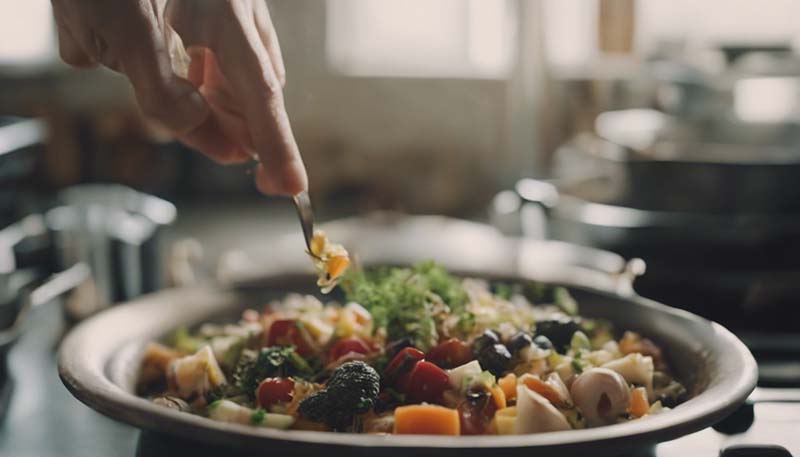
Let's cut through the noise. Sautéing isn't just "frying stuff quickly." It's the secret weapon for turning weeknight vegetables into something you crave and building flavor foundations for countless dishes. The goal is simple: high heat, a little fat, constant motion, and that perfect combination of browned exterior and tender interior. But the devil's in the details. I've seen too many home cooks end up with steamed, soggy mushrooms or burnt garlic because they missed a few key steps. Over the years, I've found that success comes down to mastering a handful of core examples. Once you get these right, you can sauté anything.
What's Inside This Guide?
What is Sautéing? The Core Principles ExplainedHow to Sauté: A Step-by-Step Guide7 Essential Sautéing Examples You'll Use Every WeekThe 3 Most Common Sautéing Mistakes (And How to Fix Them)Your Sautéing Questions, AnsweredWhat is Sautéing? The Core Principles Explained
Think of sautéing as the middle ground between stir-frying (super high heat, constant tossing) and pan-frying (more fat, often for larger items like chicken cutlets). The word comes from the French "sauter," meaning "to jump," which perfectly describes the motion of tossing ingredients in the pan. The heat is high enough to create browning—the Maillard reaction, that magical chemical process that creates deep, savory flavors—but the constant movement prevents burning.You need three things: a wide, shallow pan (a slope-sided sauté pan or a good skillet), a high-smoke-point fat (like avocado oil, grapeseed oil, or ghee), and ingredients cut to a uniform size so they cook evenly. If your pieces are all different sizes, the small ones will burn while the big ones are still raw. It's that simple, and that easy to mess up.
How to Sauté: A Step-by-Step Guide
Let's walk through the process. This isn't just theory; it's the muscle memory you need to develop.
1. Prep is Everything
Get your
mise en place ready. That means all your ingredients are washed, dried (crucial for browning!), chopped, and within arm's reach. Sautéing moves fast. You don't have time to mince garlic while your onions are in the pan.
2. Heat the Pan, Then Add the Fat
This is the step everyone rushes. Place your dry pan over medium-high to high heat. Let it get hot for a good minute or two. You should be able to feel the heat radiating when you hold your hand a few inches above it.
Then add your oil or fat, swirling to coat the pan. It should shimmer immediately but not smoke excessively.If the oil smokes violently as soon as it hits the pan, your pan is too hot. Wipe it out, let it cool for 30 seconds, and try again. Burnt oil tastes bitter.
3. Add the Food and Don't Crowd the Pan
Add your main ingredient in a single layer. If you have to pile it on top of itself, cook in batches. Crowding is the number one reason food steams instead of browns. The moisture released has nowhere to go, and the temperature plummets.
4. The "Sauter" – Let It Sit, Then Toss
Here's a non-consensus tip from my own burned fingers: you don't need to toss constantly from the second it hits the pan. For things like mushrooms or potatoes, let them sit undisturbed for 60-90 seconds to develop a good sear. Then, use a confident flick of the wrist or a wooden spoon to toss and stir. You want a balance between developing color and ensuring even cooking.
5. Season and Finish
Season with salt partway through cooking. Salt draws out moisture, so if you salt delicate things like zucchini too early, they'll get watery. For aromatics like garlic or ginger, add them in the last 30-60 seconds so they perfume the oil without burning. Finish with a squeeze of lemon, a pat of butter, or fresh herbs off the heat.
7 Essential Sautéing Examples You'll Use Every Week
Here’s where theory meets your dinner plate. This table breaks down the specifics for the most common and useful sautéing scenarios.
| Ingredient |
Key Prep Step |
Oil & Heat |
Cook Time & Visual Cues |
Pro Tip / Common Pitfall |
| Mushrooms (Cremini, White) |
Slice evenly; DO NOT wash, just wipe clean. They must be dry. |
Butter + oil mix. Med-High heat. |
5-8 mins. They'll release water first (don't panic!), then it will evaporate and they'll brown. |
Don't stir too early. Let them sear. Crowding will steam them. They soak up fat, so don't be shy. |
| Onions (for a base) |
Dice uniformly. 1/4 to 1/2 inch pieces. |
Neutral oil (canola). Med heat. |
8-15 mins. Start at higher heat for 2 mins, then reduce to medium-low to caramelize slowly without burning. |
Adding a pinch of salt early draws out moisture and helps them soften. A splash of water can deglaze and prevent burning if they stick. |
| Leafy Greens (Spinach, Kale) |
> Wash, spin or pat VERY dry. Remove tough stems from kale. |
Olive oil. Med-High heat. |
2-4 mins for spinach; 5-7 for kale. Wilt until just tender. |
Add in batches—a mountain of spinach will wilt down to nothing. For kale, add a splash of broth or water and cover briefly to tenderize. |
| Bell Peppers & Onions (Fajita style) |
Slice into uniform strips, not too thin. |
Avocado or vegetable oil. High heat. |
6-10 mins. You want blistered spots and crisp-tender texture. |
Don't overcook into mush. They should still have a bite. Season with cumin and chili powder at the end. |
| Zucchini / Summer Squash |
Slice into 1/4-inch rounds or half-moons. Salt and drain for 10 mins if you have time, then pat dry. |
Olive oil. Med-High heat. |
4-7 mins. Brown on both sides, but don't let them turn to complete mush. |
The salting step is a game-changer. It removes excess water, ensuring they brown instead of boil. If you skip it, use a very hot pan. |
| Garlic & Ginger (as an aromatic base) |
Mince finely or use a microplane for ginger. |
Oil already in the pan from cooking another ingredient. Med-Low heat. |
30-60 seconds. It should sizzle gently and become fragrant, NOT brown deeply. |
Add it at the very end of cooking your onions/other base. Burnt garlic is bitter and ruins a dish. If it starts to color too fast, immediately add your next liquid ingredient. |
| Diced Chicken Breast (for quick meals) |
Cut into 1-inch cubes. Pat bone-dry. Season. |
High smoke-point oil (grapeseed). High heat initially. |
6-8 mins total. Sear on one side without moving for 2 mins, then toss until cooked through. |
Patting dry is non-negotiable for browning. Don't move the cubes for the first minute to get a sear. Overcrowding will steam them. |
Master these seven, and you've covered about 80% of what sautéing is used for in home cooking. The principles from one apply to the others. Dry ingredients, hot pan, don't crowd.A note on pans: While a non-stick skillet is forgiving, a stainless steel or carbon steel pan will give you a far better sear (fond) on the bottom of the pan, which you can deglaze with wine or broth to make a killer instant sauce. It's worth learning to use one.
The 3 Most Common Sautéing Mistakes (And How to Fix Them)
I've taught enough cooking classes to see these errors on repeat. Fixing them will instantly upgrade your results.
Mistake 1: Adding food to a cold pan. This is the cardinal sin. The food soaks up the fat, sticks, and stews instead of sautéing.
Fix: Wait. Be patient. Let the pan preheat over medium-high heat for 1-2 minutes before adding oil, then another 30 seconds before adding food.
Mistake 2: The overcrowded pan. I know, I've said it three times already. It's that important. A pan crammed full drops in temperature dramatically. The food releases its juices, and everything steams in a puddle. You get gray, soggy mushrooms and pale chicken.
Fix: Cook in batches. It feels like more work, but it's faster in the end because each batch cooks correctly. Keep the first batch warm on a plate tented with foil.
Mistake 3: Using the wrong oil. Extra virgin olive oil has a low smoke point. On high heat, it breaks down, smokes, and develops off-flavors. It's great for finishing, not for high-heat sautéing.
Fix: Use a neutral, high-smoke-point oil for the main cooking: avocado, grapeseed, refined coconut, or even canola. Save your fancy EVOO for drizzling at the end.
Your Sautéing Questions, Answered
Why are my sautéed vegetables soggy and steaming instead of browning?Nine times out of ten, it's because the pan was overcrowded or the vegetables weren't dry enough. Water is the enemy of browning. Ensure your pan is large enough and cook in batches if needed. Also, make sure to thoroughly pat washed vegetables dry with a kitchen towel or use a salad spinner. Wet vegetables will steam the moment they hit the pan.What's the difference between sautéing and stir-frying?They're close cousins but with key differences. Stir-frying uses the highest possible heat (often from a powerful wok burner), involves constant tossing, and typically uses smaller, thinly sliced ingredients. Sautéing uses high heat but not always the absolute maximum, involves more occasional tossing or stirring, and can handle slightly larger pieces. The equipment differs too—a wok vs. a flat sauté pan or skillet. For most Western home kitchens, sautéing is more practical.Can I sauté with butter, or will it burn?You can, but you have to be clever. Butter has milk solids that burn at a lower temperature than oil. For a classic flavor, use a combination: heat a tablespoon of a neutral oil first, then add a tablespoon of butter. The oil raises the smoke point, and you still get the butter flavor. Or, use clarified butter (ghee), where the milk solids have been removed, giving it a much higher smoke point.My garlic always burns by the time the onions are soft. What am I doing wrong?You're adding them at the same time. This is a classic sequencing error. Onions take much longer to soften and caramelize than garlic takes to become fragrant. Cook your diced onions first over medium heat until they're almost done (translucent and soft). Then, add your minced garlic and cook for just the final 30-60 seconds. The garlic will perfume the dish without a hint of bitterness.Is a non-stick pan okay for sautéing, or do I need stainless steel?A non-stick pan is fine, especially for beginners or for delicate items like fish. It's forgiving. However, it has limitations: you won't get the flavorful browned bits (fond) stuck to the bottom that you can deglaze into a sauce. For building deeper flavor, a stainless steel or carbon steel pan is superior. My advice? Start with non-stick to build confidence, then graduate to stainless steel for dishes where you want to make a pan sauce.Look, sautéing isn't rocket science. It's a fundamental technique that rewards a little knowledge and a lot of practice. Start with the mushrooms or the onions. Get that process down—hot pan, dry food, don't crowd. Once you nail one example, the confidence spills over to everything else. It transforms cooking from a chore into something quick, satisfying, and genuinely delicious. Your weeknight dinners are about to get a major upgrade.